A kitchen can look beautiful in photos and still feel frustrating to use every day. Many homeowners discover this the hard way after moving into a newly renovated house or updating finishes without addressing how the room actually functions. Cabinets may be stylish, lighting may be modern, and appliances may be expensive, yet cooking still feels chaotic because the layout was never designed around real habits.
Creating Efficient Zones for Daily Cooking

One of the biggest mistakes in older kitchens is the lack of defined work areas. Everything competes for the same limited space. Someone preparing vegetables stands beside the dishwasher while another person tries to open a drawer. Dirty dishes pile up near food prep areas because there is nowhere else to place them.
Functional kitchens separate activities into intentional zones.
Instead of treating the room as one large workspace, effective layouts divide it into areas for preparation, cooking, cleaning, and storage. This approach reduces unnecessary movement and makes even smaller kitchens feel more organized.
Food prep areas benefit from generous countertops that can handle heavy use without requiring constant maintenance. Homeowners often underestimate how much uninterrupted surface area matters until they begin cooking multiple dishes at once. A few extra feet of workspace near the sink can dramatically improve efficiency during meal preparation.
Placement matters just as much as size. Prep surfaces work best when positioned near refrigeration and cooking appliances so ingredients move naturally through the kitchen. This creates a smoother rhythm while cooking and reduces repeated trips across the room.
Storage can also become part of the workflow rather than an afterthought. Open shelving, hanging racks, and vertical organizers help keep frequently used items accessible without cluttering work areas. Some homeowners integrate custom metal work into these storage solutions to add durability and flexibility. Ceiling-mounted pot racks, slim spice shelving, and under-cabinet organizers can free valuable drawer and cabinet space while keeping tools nearby.
The most effective designs often feel invisible because everything simply works where it should.
Improving Traffic Flow Throughout the Space
A kitchen does not need to be enormous to feel functional. In many homes, the real issue is traffic flow.
Poorly placed islands, narrow walkways, and crowded appliance locations create constant interruptions. People cross paths repeatedly while carrying hot pans or opening refrigerator doors. Even simple tasks become frustrating because movement through the space feels restricted.
Homeowners planning upgrades often focus first on finishes, but layout adjustments usually produce the greatest long-term improvement. Experienced remodeling services frequently begin projects by observing how families already use the room. Watching where congestion occurs during meal preparation reveals problems that floor plans alone may not show.
Several layout changes can immediately improve functionality:
- Widening pathways around islands and counters
- Relocating appliances that interrupt work zones
- Moving sinks closer to preparation areas
- Creating a clearer separation between cooking and cleanup tasks
- Improving access to storage areas used daily
Sometimes, relatively small changes create major improvements. Shifting a refrigerator a few feet away from the main cooking area can eliminate repeated bottlenecks. Repositioning a dishwasher may allow cabinet drawers to open more naturally.
Plumbing updates often become necessary during these adjustments. Many homeowners discover aging pipes, slow drains, or inefficient sink placement once demolition begins. Addressing plumbing repair issues during a remodel prevents future disruptions and allows the kitchen to function more reliably over time.
A kitchen should support movement naturally instead of forcing everyone to work around avoidable obstacles.
Selecting Flooring That Supports Heavy Use

Kitchen floors absorb constant abuse. Chairs scrape across surfaces, spills happen daily, and foot traffic rarely slows down. Despite this, flooring decisions are sometimes treated as purely aesthetic choices.
Durability matters far more than many homeowners realize.
A busy kitchen requires materials capable of handling moisture, impacts, temperature fluctuations, and frequent cleaning. The wrong flooring can quickly become a source of frustration when stains, cracks, or slippery surfaces begin appearing after only a few years.
Many homeowners turn to a ceramic tile flooring service because tile offers a strong balance between durability and design flexibility. Modern tile options can mimic natural wood, stone, or concrete while remaining easier to maintain in high-traffic environments.
Large-format tiles have become especially popular in functional kitchens because they create fewer grout lines and make spaces feel visually larger. In open-concept homes, extending the same flooring into adjacent living areas can also improve flow throughout the house.
Still, even durable materials can fail if moisture problems are ignored.
Leaks beneath sinks, hidden appliance drips, or dishwasher overflows can quietly damage flooring systems over time. In severe cases, homeowners may eventually require professional water damage restoration after subflooring weakens or mold develops beneath surfaces.
Preventing these issues starts with early attention to warning signs:
- Soft spots underfoot
- Discoloration near appliances
- Persistent musty smells
- Warping around cabinet edges
- Loose grout or cracked tiles
Functional kitchens prioritize long-term resilience over short-term trends. Flooring should support everyday living without demanding constant worry or maintenance.
Comfort also matters more than many people expect. Hard surfaces can become tiring during long cooking sessions, especially for homeowners who spend significant time preparing meals. Anti-fatigue mats, radiant heating systems, or slightly textured surfaces can improve comfort while maintaining practicality.
A functional kitchen floor should disappear into the background. Homeowners should notice how easily it supports daily life rather than how difficult it is to maintain.
Enhancing Water Quality for Cooking and Cleanup
Water quality rarely becomes part of kitchen planning conversations until problems appear. Cloudy dishes, mineral buildup, unpleasant tastes, and appliance wear gradually reveal how much water affects everyday kitchen performance.
Hard water can make even clean kitchens feel frustrating to maintain. Faucets develop white residue. Glassware loses clarity. Dishwashers struggle to clean effectively. Over time, mineral accumulation can shorten the lifespan of expensive appliances.
Many homeowners install water softener systems to reduce these issues and improve overall kitchen efficiency. Softer water allows soaps and detergents to work more effectively, often reducing both cleaning time and product usage.
The benefits extend beyond maintenance. Cooking with cleaner water can improve the taste of soups, coffee, tea, and other recipes where water quality directly influences flavor.
Some households require broader water treatment solutions depending on local conditions. Homes relying on well water, for example, may deal with sediment, iron, sulfur odors, or bacterial concerns that affect both cooking and sanitation.
Improving water quality often creates a surprisingly noticeable difference in everyday routines. Sinks stay cleaner longer. Ice cubes appear clearer. Coffee makers and kettles experience less buildup. Even washing produce feels more reliable when homeowners trust their water source.
One family renovating an older kitchen described the change as “removing constant little annoyances.” Before upgrading their system, they regularly scrubbed mineral stains from fixtures and replaced appliances more frequently than expected. After improving filtration and softening capacity, maintenance demands dropped significantly.
Functional kitchens succeed because they reduce friction in daily routines. Reliable water quality plays a larger role in that experience than many homeowners initially realize.
Modernizing Hot Water Access for Busy Households

Few things interrupt a kitchen routine faster than running out of hot water.
Whether someone is washing dishes after a large family dinner or trying to prep meals while multiple appliances operate simultaneously, inconsistent hot water quickly becomes a daily frustration. Older systems often struggle to keep up with modern household demands, especially in homes where kitchens, laundry rooms, and bathrooms compete for the same supply.
This is one reason many homeowners upgrade to a tankless water heater during major kitchen renovations. Unlike traditional storage systems, tankless units heat water on demand rather than maintaining a constantly heated reserve.
The practical benefits become noticeable quickly.
Homeowners often appreciate:
- Faster access to hot water
- Reduced energy consumption
- More consistent water temperatures
- Additional storage space from smaller equipment footprints
- Longer system lifespan compared to conventional tanks
For busy households, the ability to run dishwashers, sinks, and showers simultaneously without temperature drops can significantly improve daily convenience.
Energy efficiency also matters. Traditional systems continuously heat stored water, even when nobody is using it. Tankless systems operate only when needed, which can reduce utility costs over time depending on household usage patterns.
Infrastructure planning becomes especially important in rural homes or properties using private wells. During kitchen renovations, some homeowners work with a well installer to evaluate pressure consistency, water delivery capacity, and overall system performance before adding higher-demand appliances or fixtures.
A kitchen overhaul may reveal broader household limitations that previously went unnoticed. Weak water pressure, aging supply lines, or undersized systems can undermine otherwise beautiful renovations if they are not addressed during planning stages.
Modern kitchens rely heavily on consistent utility performance. Hot water availability affects cooking, cleaning, sanitation, and comfort throughout the day. Functional spaces anticipate these demands instead of forcing homeowners to adapt around system limitations.
Balancing Storage With Everyday Accessibility
Many kitchens technically have enough storage, yet they still feel cluttered because the storage is poorly organized.
Deep cabinets swallow small appliances. Corner spaces become inaccessible. Drawers overflow with utensils that rarely get used. Homeowners end up leaving frequently used items on counters simply because retrieving them repeatedly feels inconvenient.
Functional kitchens focus on accessibility as much as capacity.
The most effective storage systems reduce physical effort during everyday tasks. Homeowners should not need to kneel on the floor to find cookware or unload half a cabinet to reach one appliance.
Instead of maximizing every inch for sheer storage volume, thoughtful overhauls prioritize usability. Pull-out shelves, vertical dividers, drawer organizers, and appliance garages help kitchens feel calmer and more efficient.
One especially effective strategy involves storing items near where they are actually used. Cooking utensils belong close to the stove. Prep tools work best near food preparation surfaces. Dishware should remain accessible to both the dishwasher and dining areas.
This sounds obvious, yet many kitchens ignore these natural workflows.
Visual clutter also influences how functional a kitchen feels psychologically. Even highly organized rooms can feel chaotic when too many objects remain exposed. Strategic concealment helps maintain a cleaner, more focused environment.
At the same time, not everything should disappear behind cabinetry. Frequently used items deserve convenient placement. Functional kitchens strike a balance between streamlined appearance and genuine accessibility.
The goal is not perfection. It is reducing daily friction.
Supporting Multiple Activities Without Creating Chaos
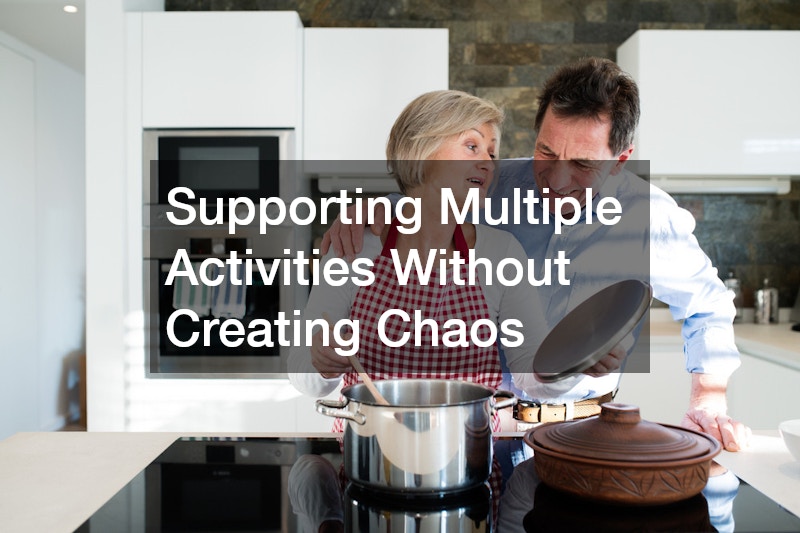
Modern kitchens serve far more purposes than cooking alone. They operate as gathering spaces, homework stations, remote work areas, entertainment hubs, and informal dining rooms.
This creates new challenges during renovations because the kitchen must support overlapping activities without feeling crowded or disorganized.
Many homeowners discover that functionality depends less on square footage and more on intentional zoning. A kitchen island, for example, can either improve workflow or completely disrupt it depending on placement and usage.
Some households benefit from adding secondary prep sinks or beverage stations to separate social traffic from cooking tasks. Others prioritize expanded seating areas that allow family members to remain nearby without interfering with meal preparation.
Lighting also plays a major role in how effectively a kitchen supports multiple uses. Bright task lighting may work well for cooking, but it feels harsh during evening gatherings. Layered lighting systems create flexibility throughout the day.
Functional kitchens also account for noise levels. Open-concept layouts sometimes amplify appliance sounds, conversations, and cleanup activities in ways homeowners do not anticipate. Strategic material choices, softer finishes, and appliance placement can reduce these distractions.
One homeowner described their renovation success not by appearance but by atmosphere. Before remodeling, dinner preparation felt stressful because everyone crowded into the same limited area. After reworking the layout, family members naturally spread throughout designated spaces while remaining connected.
The room finally supported how they actually lived.
That distinction separates functional overhauls from purely cosmetic updates.
Prioritizing Durability Over Short-Term Trends
Trends change quickly, especially in kitchens.
A design style that feels modern today may appear dated surprisingly fast. Functional kitchens avoid chasing every trend because long-term performance matters more than momentary popularity.
This does not mean kitchens should feel boring or generic. Instead, a durable design focuses on choices that continue working well regardless of shifting aesthetics.
Homeowners often regret prioritizing appearance over practicality when maintenance demands begin increasing. Delicate finishes scratch easily. Open shelving becomes difficult to keep clean. Trend-driven layouts sometimes sacrifice storage or workflow for visual impact.
Functional overhauls ask different questions:
- Will this surface hold up under daily use?
- Can this layout adapt as household needs change?
- Will cleaning remain manageable over time?
- Does this choice improve everyday routines or only appearance?
These questions help guide smarter long-term decisions.
Durability also affects emotional satisfaction. Kitchens that age gracefully tend to remain enjoyable longer because homeowners spend less time worrying about damage or upkeep.
The most successful overhauls reflect actual lifestyles rather than idealized showroom images.
Homeowners planning renovations benefit from thinking beyond finishes and appliances alone. Asking how the kitchen should function day after day leads to more meaningful decisions.