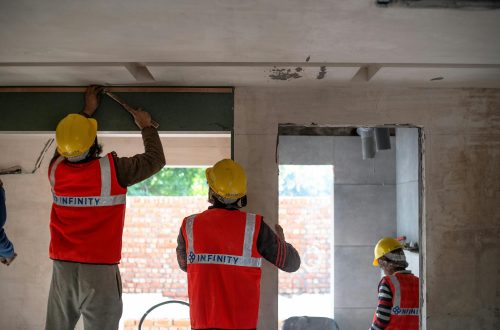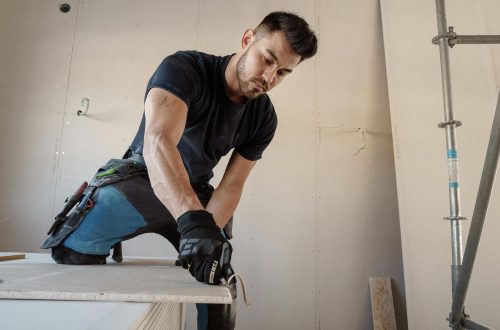
A kitchen remodel is often viewed as a design upgrade, but the benefits go far beyond appearances. The kitchen is one of the most heavily used spaces in any home, which means safety risks and air quality concerns tend to accumulate over time. Outdated materials, aging infrastructure, and hidden damage can all contribute to hazards that are easy to overlook during daily routines.
Modern remodeling strategies place a stronger emphasis on health-conscious design. Improved materials, smarter layouts, and professional oversight can dramatically reduce risks related to slips, leaks, electrical issues, and airborne contaminants. When planned thoughtfully, a remodel can transform the kitchen into a safer, cleaner, and more breathable environment for everyone in the household.
The following sections explore how targeted upgrades during a kitchen renovation can improve both physical safety and indoor air quality, creating a space that supports long-term wellbeing rather than just short-term visual appeal.
Ensuring Safer Surfaces Underfoot
Upgrading flooring during a kitchen remodel plays a major role in improving day-to-day safety. Older surfaces often become slick from years of wear, residue buildup, or outdated finishes that no longer meet modern slip-resistance standards. Replacing worn materials with newer flooring options designed for traction helps reduce the likelihood of falls, especially in a space where spills are common.
Modern flooring materials are also easier to clean thoroughly. Cracks, seams, and warped edges in aging surfaces can trap debris and particles that affect indoor air quality over time. New installations create smoother transitions and tighter seals, reducing places where dust and allergens can settle. This leads to cleaner air circulation throughout the kitchen and nearby rooms.
Another benefit of updated flooring is moisture resistance. Kitchens are exposed to frequent humidity, and outdated materials may absorb moisture, creating long-term issues beneath the surface. Moisture-resistant flooring options help limit hidden deterioration that could compromise structural safety or lead to unhealthy conditions. Choosing the right surface materials ensures the kitchen remains stable, hygienic, and safer for daily use.
Protecting Hidden Systems Behind the Walls

Working with a local plumber during a kitchen remodel helps address safety issues that aren’t immediately visible. Aging pipes, improper connections, and outdated fixtures can contribute to leaks that slowly degrade air quality and structural integrity. A qualified local plumber can inspect existing lines and recommend updates that reduce the risk of future problems.
Improper plumbing can create persistent damp conditions that impact indoor air over time. Even minor leaks can lead to lingering humidity that encourages the buildup of airborne irritants. Partnering with a local plumber ensures these vulnerabilities are corrected during the remodel rather than left hidden behind new finishes.
A local plumber can also improve overall kitchen hygiene by upgrading outdated components that no longer meet current efficiency or safety standards. Better flow control, improved venting, and secure connections all contribute to a healthier indoor environment. Addressing these concerns during a remodel helps prevent costly disruptions later while supporting safer air circulation and long-term comfort.
Keeping Unwanted Intruders Out
Incorporating pest control strategies into a kitchen remodel improves both safety and air quality. Gaps, damaged materials, and outdated layouts can provide entry points that allow pests to contaminate surfaces and air. Addressing these vulnerabilities during renovation helps create a more secure environment.
Professional pest control measures seal access points and remove conditions that attract unwanted activity. This reduces the presence of allergens and airborne particles associated with infestations. Kitchens that integrate pest control solutions are easier to keep clean and hygienic.
A remodel that considers pest control from the beginning prevents future disruptions and supports a healthier indoor atmosphere. Eliminating hidden nesting areas and improving structural barriers ensures the kitchen remains a safe, breathable space long after the renovation is complete.
Reducing Electrical Risks
Hiring qualified wiring installers during a kitchen remodel improves safety in ways that directly affect air quality. Outdated electrical systems can overheat or malfunction, introducing hazardous conditions into the home. Professional wiring installers ensure systems meet modern safety standards.
Proper work by wiring installers reduces the risk of electrical faults that could generate smoke or airborne contaminants. Updated systems also support better ventilation and appliance performance, contributing to improved indoor conditions.
Including wiring installers in the remodel process allows for thoughtful placement and upgrades that reduce strain on systems. A safer electrical setup protects both occupants and air quality, ensuring the kitchen functions efficiently and securely.
Addressing Airborne Health Risks

Professional black mold remediation is one of the most critical safety improvements a kitchen remodel can address. Mold growth often develops unnoticed behind walls or under surfaces, releasing spores that compromise indoor air quality. Without proper intervention, these particles can circulate throughout the home.
During remodeling, black mold remediation ensures affected areas are treated before new materials are installed. This process removes existing contamination and prevents spores from becoming trapped behind fresh finishes. Eliminating these hidden threats creates a cleaner breathing environment and reduces long-term health risks.
Incorporating black mold remediation into the renovation process also helps identify moisture patterns that contributed to the issue in the first place. Addressing these root causes ensures that air quality improvements are lasting rather than temporary. A safer kitchen begins with eliminating unseen hazards that affect every breath taken inside the space.
Restoring After Hidden Damage
Including water restoration as part of a kitchen remodel helps correct damage that may not be immediately visible. Past leaks or seepage can weaken materials and introduce airborne particles that affect indoor comfort. Without proper treatment, these issues can persist beneath new surfaces.
Professional water restoration removes compromised materials and thoroughly dries affected areas before reconstruction begins. This prevents trapped moisture from degrading air quality over time. Kitchens that undergo proper water restoration benefit from a cleaner foundation that supports healthier airflow.
Addressing these concerns during a remodel ensures new installations are not placed over lingering problems. Water restoration allows the space to be rebuilt with confidence, knowing that hidden damage has been corrected. The result is a safer, more stable kitchen environment that supports both structural integrity and breathable air.
Improving Drinking and Cooking Conditions
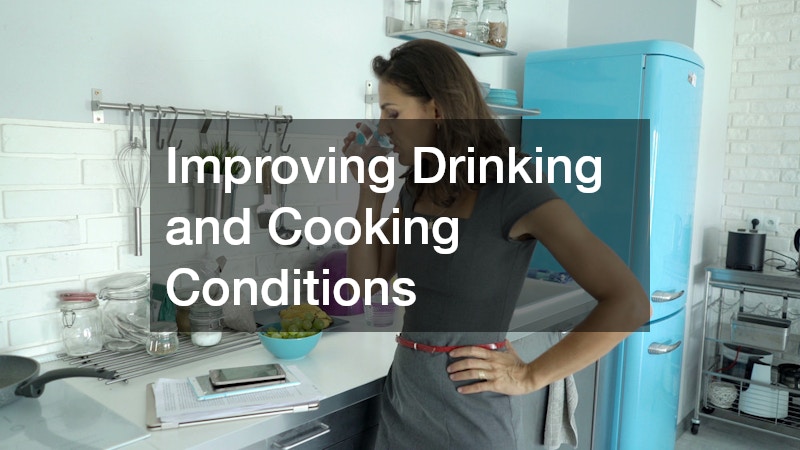
A professional water filtration install can significantly improve indoor health during a kitchen remodel. Kitchens are central to food preparation, and the quality of water used directly affects both safety and air quality. Impurities can release odors or residues that linger in the environment, especially in enclosed spaces.
A properly planned water filtration install helps reduce unwanted particles that may otherwise contribute to unpleasant smells or residue buildup on surfaces. Cleaner water means fewer contaminants introduced into cooking and cleaning routines, supporting a healthier overall environment. This upgrade is especially valuable in kitchens where steam and humidity circulate frequently.
Including a water filtration install during a remodel also allows for seamless integration into cabinetry and layout design. Rather than retrofitting later, incorporating filtration at the right stage improves efficiency and reduces exposure risks. Over time, this investment supports cleaner air, safer food preparation, and a more comfortable kitchen environment.
Preventing Long-Term Hygiene Issues
Dealing with clogged drains during a kitchen remodel is essential for maintaining indoor air quality. Blockages can cause slow drainage, lingering odors, and bacteria buildup that affects the entire room. Addressing clogged drains early prevents these issues from becoming chronic.
Remodeling provides access to areas that are otherwise difficult to reach, making it the ideal time to resolve persistent clogged drains. Clearing buildup improves flow and reduces the chance of stagnant conditions that compromise cleanliness. Better drainage directly contributes to fresher indoor air.
Preventing future clogged drains also supports long-term safety. Reduced backups mean fewer spills and less moisture accumulation, which helps maintain a cleaner environment. A remodel that prioritizes proper drainage creates a kitchen that is easier to maintain and healthier to use every day.
Maintaining a Clean Renovation Process
Using a dumpster rental during a kitchen remodel plays a much larger role in protecting indoor air quality than many homeowners realise. Renovation work naturally creates dust, broken materials, and packaging waste that can quickly spread through the home if left unmanaged. Without proper containment, these particles can linger in the air and settle on surfaces long after the workday ends. A dedicated dumpster rental allows debris to be removed efficiently, keeping the work area cleaner and reducing the amount of airborne material circulating through the kitchen and adjoining rooms.
Maintaining an organised renovation site also improves overall safety. When waste is cleared regularly, walkways remain open and work zones stay defined, reducing the risk of trips or accidents. A clutter-free space improves airflow, making it easier to ventilate the area during construction. With a dumpster rental in place, crews can work more efficiently while homeowners experience less disruption from dust and debris spreading throughout the house.
Including a dumpster rental as part of the remodel plan helps prevent waste from piling up indoors, where it can continue releasing fine particles over time. Consistent removal of debris supports a healthier environment throughout the project and helps ensure that once the remodel is complete, the kitchen feels clean, fresh, and ready to use rather than requiring additional cleanup to restore air quality.
Finishing With Health in Mind
Working with professional interior painting companies plays an important role in protecting indoor air quality during the final phase of a kitchen remodel. Paint finishes don’t just affect how a space looks—they also influence how it feels to live in. Lower-quality products can release strong odours and fine particles that linger long after the work is complete, making the kitchen uncomfortable to use. Trusted interior painting companies know how to select products and apply finishes in ways that reduce these effects and support a healthier environment.
Experienced teams focus heavily on preparation, which is essential for long-term air quality. Thorough cleaning, proper priming, and controlled application methods help limit dust, fumes, and residue during and after the project. Interior painting companies with strong technical knowledge understand how temperature, ventilation, and drying times impact the final result. When these factors are handled correctly, the risk of peeling, cracking, or flaking is significantly reduced, preventing particles from entering the air over time.
Choosing skilled interior painting companies also ensures the remodel ends on a strong, health-conscious note. A smooth, well-applied finish enhances durability, makes surfaces easier to clean, and contributes to a fresher overall feel in the kitchen. Beyond visual appeal, careful finishing work supports a space that feels lighter, cleaner, and more comfortable for everyday use, helping the remodel deliver benefits that extend well beyond appearance alone.
Designing for Long-Term Wellbeing

Beyond individual upgrades, thoughtful kitchen design supports safety and air quality through improved layout and material selection. Strategic spacing reduces accidents, while better ventilation improves airflow throughout the space. A remodel offers the opportunity to correct inefficiencies that impact daily comfort.
Modern kitchen planning considers how materials interact with moisture, heat, and movement. Choosing finishes and layouts that support easy maintenance helps prevent long-term issues that could compromise indoor conditions. Small design decisions can have lasting effects on health and usability.
When safety and air quality are treated as priorities rather than afterthoughts, a kitchen remodel becomes an investment in wellbeing. The result is a space that not only looks beautiful but also supports healthier living for years to come.
A kitchen remodel is more than a cosmetic upgrade—it’s an opportunity to create a safer, healthier living environment that supports everyday life. By addressing hidden issues, modernising essential systems, and making thoughtful design choices, homeowners can significantly reduce risks that often go unnoticed in older kitchens. Improvements made during renovation can help prevent accidents, minimise long-term maintenance concerns, and promote cleaner air throughout the home.
When safety and indoor air quality are prioritised from the start, the benefits extend far beyond the kitchen itself. A well-planned remodel supports better hygiene, improved comfort, and greater peace of mind for everyone who uses the space. These upgrades also add lasting value, ensuring the kitchen remains functional and healthy for years to come.
Ultimately, a kitchen designed with wellbeing in mind becomes a place where cooking, gathering, and daily routines feel easier and more enjoyable. By investing in smart improvements now, homeowners can create a space that not only looks great but actively contributes to a safer, cleaner home.