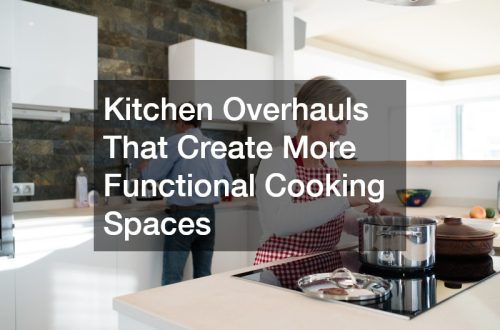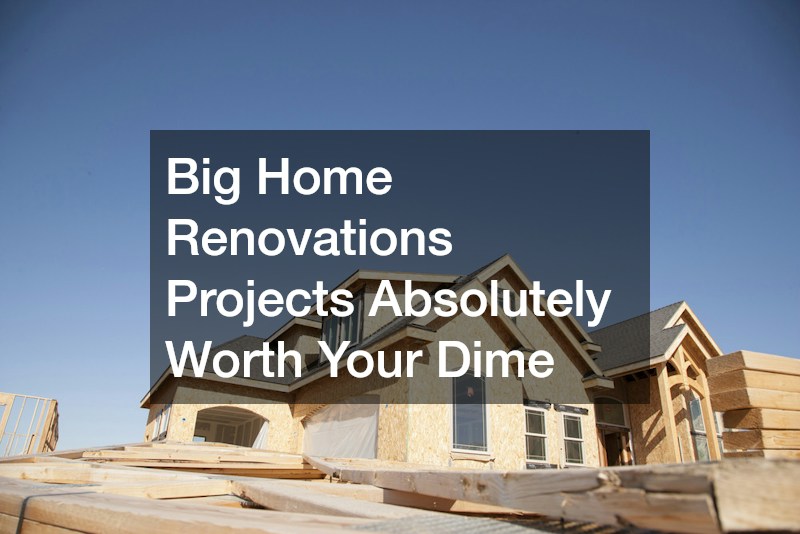
Taking on a major home improvement project can feel both exciting and intimidating. Every homeowner wants to ensure that the time, effort, and money poured into updates yield actual long-term value. While small decorative changes brighten up daily life, substantial architectural and functional transformations build true long-term value. Focusing on high-impact areas enhances liveability, increases square footage utility, and elevates overall property desirability.
Deciding where to allocate your home improvement budget requires a balanced look at cost versus return. Priorities vary based on regional climates, household needs, and property age, but certain standard investments consistently yield impressive payoffs. Whether you plan to stay in your residence for decades or prepare for a sale down the road, choosing projects that blend daily structural utility with strong cosmetic appeal ensures your financial commitments deliver meaningful results.
Assessing Property Needs Before Construction
- Evaluate structural integrity first to ensure foundation, moisture, and framing conditions support major additions or layout overhauls.
- Analyze architectural continuity across the neighborhood so your improvements remain competitive without over-improving past local market caps.
- Audit current energy usage to identify leaky windows, old insulation, or outdated systems that should be upgraded alongside aesthetic structural changes.
- Review local municipal building codes, permitting timelines, and zoning regulations well before hiring contractors or purchasing expensive materials.
Establishing Realistic Project Timelines and Contingencies
- Set aside a financial buffer of fifteen to twenty percent above initial estimate quotes to handle unexpected delays or hidden structural repairs.
- Establish temporary living arrangements or dust containment plans early, particularly when main living spaces remain unusable for weeks.
- Schedule major structural overhauls during historically dry seasonal windows to prevent weather-related project stalls or internal material damage.
- Communicate daily with project managers to keep line items transparent, monitor project pacing, and approve scope modifications without adding delay.
Elevating the Heart of the Home
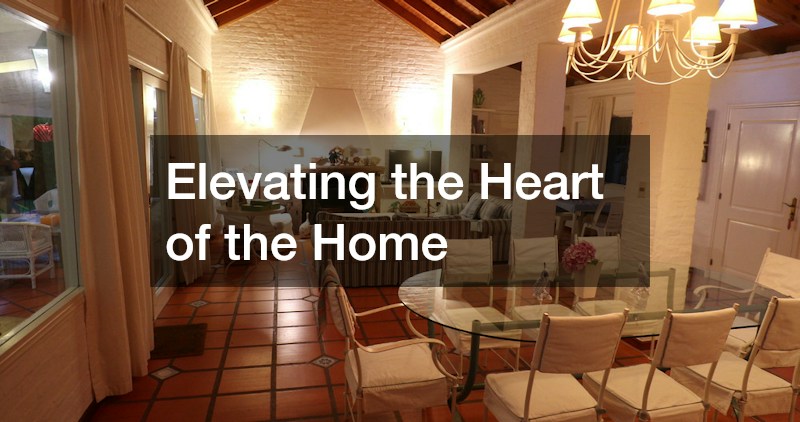
The central gathering hub of any home naturally dictates the flow of daily routines and social entertainment. Modern living demands an open, functional space that accommodates cooking, working, and relaxed gathering seamlessly. Updating an outdated culinary workspace yields unmatched satisfaction and remains one of the most effective strategies for boosting total property value.
Transforming this vital area goes beyond exchanging older appliances for stainless steel units. Comprehensive updates focus on optimizing workflow geometry, expanding usable counter surfaces, and installing durable storage solutions that keep clutter hidden. Investing in a thoughtfully executed kitchen renovation fundamentally alters how your family interacts within the residence while delivering exceptional resale appeal.
Optimizing Layout and Traffic Patterns
- Reconfigure appliances and prep surfaces into a functional work triangle connecting the primary sink, main cooktop, and primary refrigeration unit.
- Maintain at least forty-two inches of clear walkway space between opposite counter faces to prevent bottlenecks during busy meal preparation times.
- Position primary dining seating and bar seating outside the primary cooking zone so guests can converse without intruding on active work paths.
- Incorporate wide walk-in pantries or floor-to-ceiling pullout shelving racks near prep areas to maximize organized storage for dry goods and small appliances.
Selecting Premium Materials for Longevity
- Choose non-porous quartz or durable granite counter slabs that resist intense heat, accidental scarring, and everyday moisture exposure effortlessly.
- Install high-grade moisture-resistant flooring options such as luxury vinyl plank, solid hardwood, or large-format porcelain tile designed for heavy foot traffic.
- Select under-mount sink basins paired with high-arc pull-down faucets to streamline daily washing tasks and maintain clean workspace lines.
- Enhance overall interior architectural character by investing in tailored woodwork features and tailored custom cabinetry that optimize every square inch of storage space.
Transforming Culinary Spaces with Smart Engineering
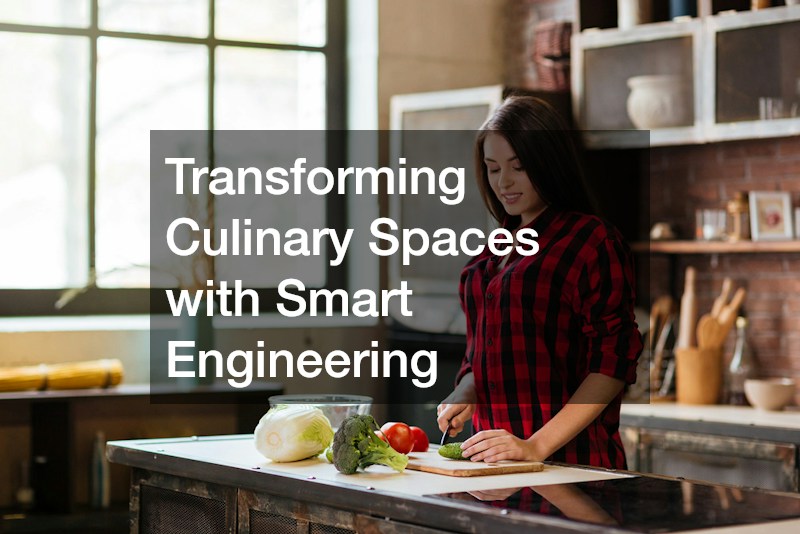
A truly high-performance cooking and entertaining space relies on tailored design details tailored specifically to your family’s cooking habits. Integrating intelligent layout concepts alongside ergonomic hardware ensures the space performs as beautifully as it looks. Professional layout planners emphasize that thoughtful spatial balance combined with superior kitchen design elevates ordinary cooking routines into seamless daily experiences.
Modern culinary layouts prioritize ease of maintenance, efficient lighting schemes, and smart storage integration. Eliminating dark corners, hard-to-reach upper shelves, and cluttered countertops creates an inviting environment where preparing meals feels effortless. By marrying robust mechanical infrastructure with refined finishing touches, your home retains timeless elegance and high functionality for years to come.
Integrating Task and Ambient Lighting Layers
- Position focused under-cabinet LED linear strip lighting directly above prep zones to eliminate shadows on work surfaces.
- Hang proportional decorative pendant lights above central islands to establish visual focal points while providing direct downlighting for dining.
- Install dimmable recessed overhead fixtures across the primary ceiling grid to allow smooth adjustments between cooking tasks and evening entertaining.
- Utilize glass-front cabinet doors equipped with internal warm accent lights to highlight decorative glassware and soften perimeter boundaries.
Incorporating Functional Storage Innovation
- Install deep lower pullout drawers instead of traditional base cabinets to allow effortless access to heavy pots and cookware.
- Integrate vertical tray dividers near ovens to store baking sheets, cutting boards, and cooling racks neatly in an upright position.
- Add concealed pull-out trash and recycling centers directly below main prep areas to keep kitchen waste out of sight and maintain cleanliness.
- Build integrated appliance garages featuring internal electrical outlets to store coffee stations and blenders off primary countertops.
Expanding Outdoor Living Spaces with Durable Decks

Extending your living footprint beyond interior walls represents one of the most cost-effective ways to add usable square footage to your property. A custom outdoor deck creates a versatile zone perfect for summer dining, weekend relaxation, and hosting guests. Building outdoor structures with high-grade materials guarantees that your investment remains structural, safe, and visually stunning across decades of changing seasons.
While natural wood decks offer initial rustic appeal, modern high-performance materials eliminate the constant burden of staining, sealing, and replacing rotted boards. Partnering with certified composite deck builders ensures that your outdoor extension features proper structural post footing, code-compliant guardrails, and hidden fastening systems. The result is an expansive outdoor oasis that demands minimal annual maintenance while providing immediate lifestyle returns.
Designing Multi-Level Structures for Slope Management
- Utilize tiered deck levels to convert steep backyard slopes into functional outdoor zones tailored for dining, lounging, or cooking.
- Build wide perimeter steps with embedded riser lights to connect different deck heights safely and create natural overflow seating areas.
- Incorporate built-in bench seating along outer perimeters to maximize usable floor area without clogging traffic lanes with loose patio furniture.
- Construct dedicated covered overhangs or pergola shade structures to provide relief from intense summer sun on exposed upper deck sections.
Selecting Modern Low-Maintenance Materials
- Choose synthetic decking planks made from recycled wood fibers and plastics that resist warping, splintering, and insect damage.
- Specify hidden deck fasteners rather than surface screws to maintain smooth, barefoot-friendly surfaces and modern architectural sightlines.
- Install continuous aluminum or cable railing systems to preserve open backyard views while maintaining rigid structural safety limits.
- Clean composite decking surfaces annually using mild soap and water to keep boards free of organic debris without requiring harsh chemical stains.
Creating At-Home Aquatics and Backyard Retreats
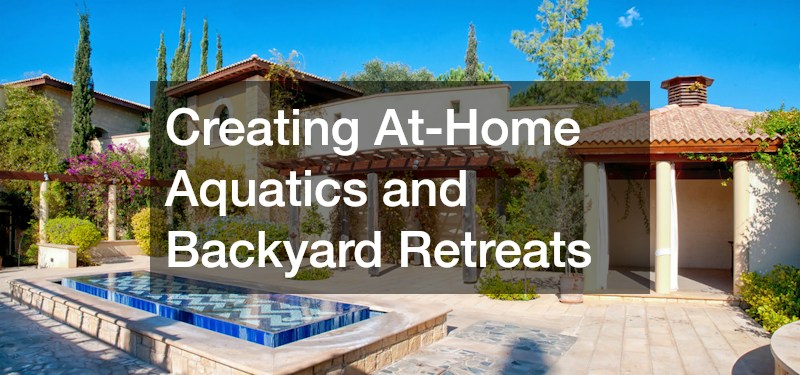
Adding a custom swimming pool or overhaul of an existing aquatic area turns an underutilized lawn into a private resort. Beyond the obvious health and relaxation benefits, an attractive pool area acts as a focal visual element that grounds the entire landscape design. Taking on a project of this magnitude requires careful planning around spatial limits, subterranean plumbing, and long-term water management.
To turn complex outdoor vision into reality, engaging experienced local pool contractors is essential for navigating soil conditions, municipal safety setbacks, and utility hookups. Whether installing an energy-efficient pool pump system, integrated spa jets, or perimeter concrete decking, professional execution prevents costly drainage or structural issues down the line. A properly constructed pool provides endless family memories while setting your home apart in competitive markets.
Maximizing Hydraulic and Energy Efficiency
- Install variable-speed circulation pumps that reduce monthly electricity consumption significantly compared to older single-speed equipment.
- Integrate automated chemical dosing systems and salt chlorine generators to simplify weekly water maintenance and improve water clarity.
- Utilize solar heating panels or ultra-efficient heat pumps to extend your swimming season comfortably into cooler spring and fall months.
- Incorporate custom automated pool covers to reduce water evaporation, minimize heat loss overnight, and prevent organic lawn debris buildup.
Planning Visual Integration with Hardscapes
- Surround the pool perimeter with non-slip stone paver decking that resists heat retention and provides secure foot traction when wet.
- Integrate ambient LED perimeter pool lighting to transform the backyard into a serene visual display during evening entertaining hours.
- Add subtle water features such as cascading sheer descent waterfalls or deck jets to create relaxing soundscapes that mask surrounding traffic noise.
- Establish strategic privacy landscaping using tall native grasses, evergreen hedging, or timber privacy screens along property boundaries.
Upgrading Legacy Swimming Facilities for Modern Appeal
Properties featuring existing pools that show surface cracking, outdated tiling, or obsolete equipment often suffer from diminished visual appeal and inflated operating costs. Instead of starting from scratch, undertaking a focused Pool Remodeling effort can completely rejuvenate an aging aquatic structure. Updating finishes, changing pool depth profiles, and modernizing mechanical components restores safety and elevates the entire outdoor living zone.
Modern aquatic updates go far beyond simple cosmetic repainting. Homeowners can reconfigure entrance steps to include shallow tanning ledges, add glowing internal LED lighting, or replace rough plaster with smooth pebble aggregate finishes. This comprehensive approach transforms an aging backyard liability into an modern, energy-efficient center of home relaxation that commands high buyer interest.
Modernizing Surface Finishes and Masonry
- Replace worn perimeter coping stones with smooth, thermal-finish natural stone edges that resist cracking and enhance comfort underfoot.
- Upgrade outdated pool waterline tile borders with iridescent glass tiles that reflect natural light and simplify water line cleaning.
- Refinish internal pool shell plaster with high-durability quartz or pebble aggregates that offer superior chemical resistance and rich water color tones.
- Install wide shallow sun shelves near shallow ends to accommodate lounge chairs, umbrella sleeves, and safe splash areas for children.
Upgrading Equipment Automation and Controls
- Retrofit legacy control panels with smart automation systems that allow filtration, lighting, and heating adjustments directly from mobile devices.
- Replace standard halogen underwater lights with vibrant multicolor LED fixtures that consume less electricity and last significantly longer.
- Convert traditional chlorine sanitation setups to salt-water chlorination systems for softer skin feel and reduced chemical storage requirements.
- Install high-efficiency cartridge filter systems that lower backwashing frequency and conserve thousands of gallons of water annually.
Securing the Envelope with Complete Roof Overhauls
A sound structural roof serves as your home’s primary line of defense against heavy rainfall, high winds, snow accumulation, and summer heat. Allowing an old or damaged roof to linger invites moisture infiltration, structural wood rot, interior drywall ruin, and compromised insulation performace. Investing in a top-tier structural roof system protects every single interior improvement you make beneath it.
When catastrophic weather hits, dealing with sudden structural storm damage requires expert technical navigation. Homeowners facing storm-damaged shingles often navigate complex roof replacement insurance claims to secure full coverage for necessary replacement work. Working with reputable inspectors ensures that initial documentation captures subtle storm damage accurately, streamlining adjuster approvals and guaranteeing full structural replacement without unexpected out-of-pocket expenses.
Selecting High-Performance Roofing Materials
- Choose architectural asphalt shingles rated for high wind resistance and severe impact protection to minimize future storm damage.
- Consider standing-seam metal roofing systems for exceptional longevity, modern industrial aesthetic, and outstanding snow-shedding capabilities.
- Install continuous ridge ventilation systems paired with soffit intake vents to promote proper attic air circulation and control moisture levels.
- Lay heavy-duty synthetic underlayment across the entire roof deck to provide superior water resistance compared to standard felt paper.
Navigating Claims and Contracting Processes
- Document exterior storm damage immediately with clear photos and video records before emergency tarping or temporary repairs take place.
- Partner with a licensed local roofer who understands regional building codes and can provide detailed itemized estimates for insurance review.
- Schedule joint inspections where your professional contractor walks the roof directly alongside the insurance adjuster to verify all damaged areas.
- Review policy details carefully to understand deductible obligations, actual cash value payouts, and replacement cost value terms prior to signing work orders.
Revitalizing Exterior Aesthetics and Thermal Barriers
The exterior finish of your home sets the tone for its curb appeal while establishing a barrier against seasonal moisture and thermal energy transfer. Faded, cracked, or warping exterior cladding makes an otherwise sturdy home look neglected while driving up monthly utility bills. Replacing worn cladding with modern engineered siding materials immediately revitalizes exterior architectural lines and boosts insulation efficiency.
Selecting the right professional contractor team is just as important as choosing high-grade exterior siding materials. Top-tier professional siding companies evaluate subterranean framing conditions, apply modern weather-resistant vapor barriers, and ensure precise corner flashing installation around windows and doors. This detailed craftsmanship ensures that your home remains fully weather-tight, visually striking, and structurally protected against exterior moisture damage.
Evaluating Modern Exterior Cladding Choices
- Select fiber cement siding panels for unmatched fire resistance, termite immunity, and realistic wood grain appearance.
- Choose insulated vinyl siding products featuring integrated foam backing to increase exterior wall thermal resistance and lower heating costs.
- Explore vertical board-and-batten accent layouts to add modern architectural contrast and visual height to traditional exterior elevations.
- Utilize engineered wood cladding options treated with advanced zinc borate preservatives to resist moisture decay and extreme freeze-thaw cycles.
Ensuring Proper Exterior Installation Details
- Install continuous rainscreen gap systems behind exterior siding boards to allow moisture drainage and prevent trapped humidity buildup.
- Apply high-performance self-adhering flashing tape around all window and door rough openings before mounting exterior trim packages.
- Maintain proper ground clearance distances between bottom siding courses and soil surfaces to prevent ground moisture absorption.
- Utilize color-matched exterior sealant compounds around all material transitions to prevent air infiltration and maintain a finished look.
Upgrading Exterior Wall Systems for Total Protection
Old exterior wall systems often conceal structural deterioration, pest intrusion points, and compromised insulation underneath outdated surfaces. Removing old, cracked exterior panels gives contractors a rare opportunity to inspect hidden wood framing and fix structural issues before new materials are installed. Taking on a full house siding replacement guarantees a fresh start, transforming the home’s visual presence while fortifying its core barrier.
During comprehensive exterior overhauls, adding high-grade rigid foam continuous insulation boards significantly reduces thermal bridging through wood studs. When combined with modern house wrap vapor barriers, seamless trim boards, and low-maintenance soffit panels, the entire exterior system works together seamlessly. This major investment cuts long-term exterior maintenance work down to simple pressure washings while maximizing whole-home energy conservation.
Improving Energy Efficiency and Wall Performance
- Install continuous rigid insulation board panels over exterior sheathing to eliminate thermal bridging through solid wood wall framing studs.
- Wrap outer wall structures with breathable weather-resistant barriers that prevent rain penetration while allowing interior moisture vapor to escape.
- Upgrade soffit and fascia boards with continuous low-maintenance aluminum or cellular PVC products that never require painting.
- Replace outdated exterior window trim and corner boards with cellular PVC profiles that resist rot and stay crisp over decades.
Selecting Color Palettes and Architectural Styles
- Pair dark moody body colors with clean crisp white trim lines to create striking modern farmhouse or contemporary exterior aesthetics.
- Incorporate natural warm wood tone accents around front entrance porches or gable peaks to add organic texture and curb warmth.
- Select factory-applied baked-on paint finishes featuring extended multi-decade non-fade warranties to eliminate frequent repainting cycles.
- Install complementary exterior lighting fixtures and decorative house numbers to complete your exterior transformation with polished detail.
Making Wise Decisions for Lasting Home Value
Substantial home renovation projects require careful planning, clear budget management, and strong execution, but their long-term rewards far outweigh the initial stress. By directing capital toward core structural improvements—such as kitchen updates, outdoor living deck extensions, pool modernization, roof replacements, and exterior wall cladding overhauls—you invest directly in your family’s daily comfort and long-term financial security.
Before launching into any major home transformation, set clear priorities based on structural urgency, family lifestyle needs, and long-term holding timelines. Seek out licensed, insured professional contractors who offer detailed itemized contracts, proven local references, and strong material warranties. With careful material selection, spatial planning, and professional craftsmanship, your home renovation projects will deliver enduring functionality, unmatched comfort, and incredible value for years to come.